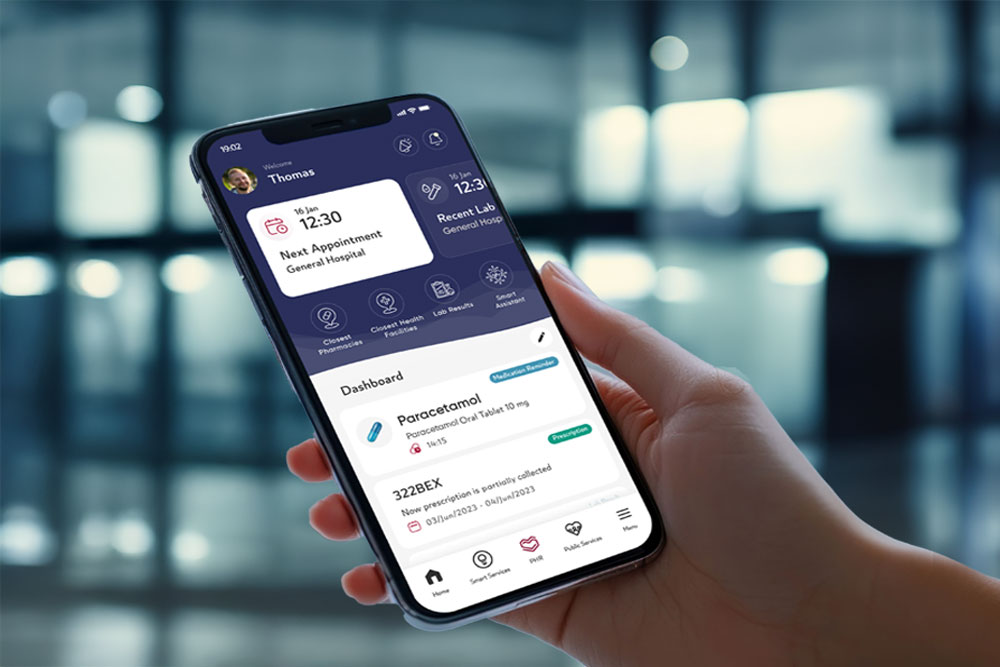
A Personal Health Record (PHR) is a revolutionary digital platform that grants patients around-the-clock access to their comprehensive health information. This innovative system empowers individuals to take charge of their health through easy management, real-time data sharing, and secure access. By facilitating seamless communication between patients and healthcare providers, PHRs promote informed decision-making and foster a more collaborative healthcare experience.
Benefits and Innovations of Modern Personal Health Records
Through a sophisticated PHR system, users can view an extensive array of health data, including medical histories, laboratory results, imaging reports, medication lists, and upcoming appointments. Patients also have the ability to share selected portions of their health records with relatives or healthcare professionals for specified periods, enhancing coordination and support. This dynamic sharing feature supports more personalized and immediate care, especially during emergencies or ongoing treatment.
Key Advantages of PHRs
- Active Patient Involvement: Patients are more engaged in managing their health, leading to better outcomes.
- Instant Access to Data: Quick retrieval of personal health information from any location improves responsiveness.
- Real-Time Data Exchange: Continuous updates facilitate timely interventions and adjustments to treatment plans.
- Tailored Health Recommendations: Advanced analytics provide personalized insights for proactive health management.
- Holistic Data Management: Integrated health data supports comprehensive monitoring of wellness.
- Robust Privacy and Security: High standards ensure data confidentiality and protection against breaches.
- Informed Health Decisions: Access to accurate information enables evidence-based choices.
- Complete Monitoring: Users can oversee all aspects of their health status and progress.
- Emergency Preparedness: Critical medical information is readily available for rapid response.
Cutting-Edge Innovations in PHR Technology
- Ongoing Health Surveillance: Continuous monitoring through wearable devices enhances early detection.
- Integrated Electronic Records: Centralized systems connect various healthcare providers for streamlined data flow.
- Risk Assessment Tools: Features like cardiovascular risk calculators help in early identification of health threats.
- Immediate Data Analysis: Real-time interpretation of health metrics supports swift clinical decisions.
- Visual Data Representation: Interactive graphs and dashboards make complex data understandable.
- Advanced Visualization Technologies: Utilizing digital body models and sensor data enhances patient engagement and diagnostic accuracy. For instance, immersive therapy as a novel approach in mental health exemplifies how innovative tech is expanding treatment options.
Accessibility and Management Features
A core benefit of PHR systems is empowering patients to control their health data. Features such as e-appointments allow for simplified scheduling, eliminating the need for lengthy phone calls or navigating multiple platforms. The Nearest Hospital and Pharmacy locator uses real-time location data to guide users swiftly to healthcare facilities, which can be crucial during emergencies.
Medical and Diagnostic Data Access
Patients can review detailed medical histories, track disease progression, and evaluate past healthcare interactions. Laboratory results, including biochemistry, genetics, and routine tests, are available 24/7 from integrated labs and clinics, ensuring no information gaps. Radiological images—X-rays, MRIs, ultrasounds—are digitized for easy access, enabling both patients and physicians to interpret results remotely, thus increasing diagnostic efficiency.
Diagnostic and Treatment Support
Features like the Diagnosis Overview provide a timeline of preliminary and confirmed diagnoses, organized by date and healthcare provider, fostering transparency. The system also displays current prescriptions—both new and previous—allowing for precise, personalized treatment plans. Moreover, users can access comprehensive health reports and documentation, including disability certificates, medical leave reports, and device-specific data like prosthetics or eyeglasses.
Allergy and Medication Management
Allergy information is securely stored, alerting healthcare professionals to potential adverse reactions during treatments. The Drug Reminder function ensures medication adherence by sending timely alerts, reducing the risk of missed doses, which can compromise health outcomes.
Innovative Patient Support Tools
The Smart Assistant employs a 3D digital body model to help users visualize their health, incorporate sensor data like heart rate or activity levels, and support physicians in diagnosis and treatment planning. Additionally, the Cardiovascular Disease Risk Calculator analyzes health records to assess individual risk levels, guiding preventive strategies.
Interesting:
- The future of electronic health records enhancing patient care with ai and cloud technologies in 2025 and beyond
- Keeping track of your personal health records for better care
- Enhancing electronic health records with snomed ct a systematic review of clinical use cases
- Revolutionizing patient care through advanced healthcare software solutions
- Advanced healthcare software development for modern patient care
Secure Data Sharing and Consent
Effective health management relies on patient consent and data security. The Sharing & Consent Management feature facilitates controlled sharing of health information with healthcare providers and family members, with transparent status updates and easy revocation options. The Parents Portal offers a dedicated interface for guardians to monitor their children’s health, vaccination schedules, and developmental milestones, ensuring continuous care until adulthood.
Emergency and Critical Care Features
In urgent situations, the Emergency Assistance Button enables users to call for immediate help, sharing their location with responders. Emergency Notes allow users to record vital information like allergies or chronic conditions, giving healthcare professionals quick access to crucial data during emergencies.
Supporting Public Health and Compliance
During pandemics or outbreaks, the system tracks vaccination statuses and manages digital vaccination certificates, including compliance with international travel regulations, such as the EU health pass requirements. The Pandemic Diseases & Vaccination Status feature simplifies vaccine management and health monitoring in a post-pandemic world.
Locating Healthcare Resources
The Nearest Hospital and Pharmacy feature integrates real-time data to guide users swiftly to essential services. During emergencies, the Emergency Assistance Button and Emergency Notes enhance response times and ensure critical health information is accessible.
Integration of AI and Smart Devices
Artificial intelligence plays a pivotal role in enhancing healthcare delivery. Data from smart devices—smartwatches, fitness trackers—can be integrated into the system, providing a continuous stream of health metrics. These insights support a more holistic view of patient health and contribute to advanced decision-making, illustrating how artificial intelligence is becoming increasingly vital in healthcare.
Benefits for Patients
- Comprehensive Health Monitoring: Centralized access to all health records supports proactive management.
- Controlled Data Sharing: Patients decide who can view or share their information, maintaining privacy.
- Empowered Decision-Making: Full visibility of health data enables better lifestyle and treatment choices.
- Faster, Accurate Care: Immediate access to complete health information accelerates diagnosis and treatment.
Benefits for Healthcare Professionals
- Enhanced Patient Engagement: Better-informed patients contribute to more effective care.
- Personalized Treatment: Accurate, detailed data allows for tailored healthcare plans.
- Improved Monitoring: Continuous data updates support ongoing assessment and adjustments.
- Decision Support: Reliable data enhances clinical decision-making processes.
Benefits for Healthcare Systems and Authorities
- Streamlined Operations: Digital records reduce administrative burdens and improve efficiency.
- Population Health Management: Data analytics facilitate early detection of health trends and outbreaks.
- Policy Formation: Insights from aggregated data support evidence-based healthcare policies.
- Cost Efficiency: Digital systems reduce operational costs and optimize resource utilization.
A comprehensive PHR system is transforming healthcare from reactive to proactive, emphasizing patient-centered care, technological innovation, and data security. For more insights into how digital health tools are shaping the future, visit understanding the definition and function of apps in healthcare and discover the broader impact of these advancements.