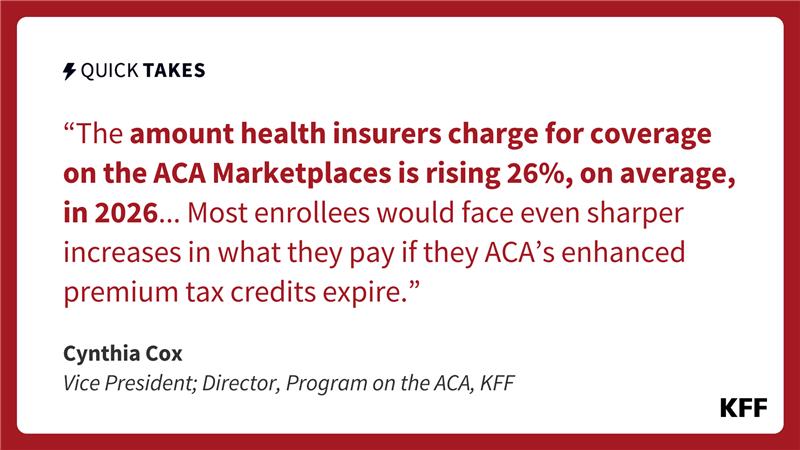
The upcoming year will see substantial increases in health insurance premiums across the Affordable Care Act (ACA) marketplaces, with insurers raising rates by an estimated 26%. However, many enrollees could experience even larger out-of-pocket costs, especially if the enhanced premium tax credits—designed to make coverage more affordable—are allowed to expire. This potential shift could significantly affect millions relying on subsidies to afford healthcare coverage.
The increase in premiums varies depending on the state’s marketplace operations. In states managing their own exchanges, the average benchmark silver plan premium, which serves as the foundation for tax credit calculations, is expected to jump by 17% next year. Conversely, in states relying on the federal Healthcare.gov platform, these premiums are projected to increase by approximately 30%. These figures reflect a broader trend of rising healthcare costs driven by multiple factors, including higher hospital expenses, the increasing use of costly medications like GLP-1 drugs such as Ozempic, and the impact of tariffs.
Most individuals enrolled in marketplace plans—about 22 million out of 24 million—receive some form of premium subsidy. These subsidies are based on a sliding scale tied to household income, as determined by a formula set by Congress. Therefore, the actual amount paid by enrollees often differs from the premium charged by insurers. If Congress chooses not to extend the current enhanced premium tax credits, enrollees could face steep increases in their monthly payments. According to estimates by KFF, those currently benefiting from subsidies could see their premiums more than double, with an average increase of approximately 114%. This dramatic rise is particularly impactful for people with incomes below four times the federal poverty level, who would receive less financial assistance, and for those above that threshold who might lose eligibility altogether, facing both higher premiums and reduced subsidies—a double financial burden.
Interesting:
Despite the potential expiration of enhanced tax credits, many lower-income enrollees will still find themselves eligible for bronze plans with minimal or no premiums after accounting for the reduced subsidies. However, this shift might require switching from a silver plan, which typically offers lower deductibles—sometimes under $100—to a bronze plan with deductibles exceeding $7,000. Such a transition could mean sacrificing coverage quality for affordability.
The rise in insurer charges for ACA marketplace premiums can be attributed to several underlying reasons. These include escalating hospital costs, the increased demand for expensive medications, and broader economic factors such as tariffs. An additional contributor is the anticipated end of the enhanced premium tax credits, which influences insurer behavior. In their 2026 filings, insurers indicated they would request premium increases averaging about 4 percentage points higher than initially planned, expecting that healthier individuals might withdraw from Marketplace coverage if the additional subsidies are unavailable. This expectation further drives up costs, as the federal government’s expenditure on tax credits is directly linked to the benchmark silver plan premiums. When these premiums increase, so does the overall federal cost of providing subsidies.
For more insights into how technological innovations are transforming healthcare, explore how virtual reality is being utilized to enhance medical training at training the surgeons of tomorrow with virtual reality. Similarly, understanding the development process of healthcare applications is crucial, which is detailed in 7 key considerations when building a healthcare app. Advances are also being made in visualizing pharmaceuticals from molecular design to market introduction at from molecules to market the new era of pharmaceutical visualization. Furthermore, innovative uses of virtual reality are transforming athletic training and performance, as discussed in improving athletic results through the convergence of sports and virtual reality.