


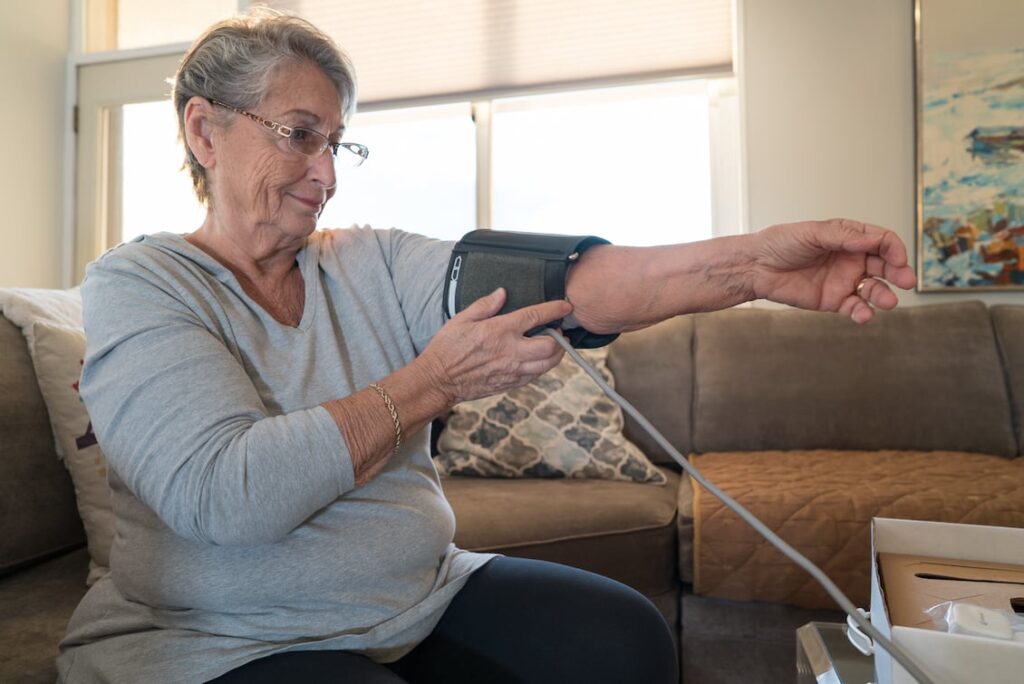
Remote patient monitoring (RPM) devices have revolutionized healthcare by enabling clinicians to oversee, report, and interpret their patients’ health conditions outside traditional clinical settings. These tools foster a real-time understanding of a patient’s disease progression, allowing healthcare providers to make timely, informed decisions that can significantly improve outcomes.
By engaging with RPM devices, patients gain a deeper understanding of their health daily, which encourages proactive management and fosters healthier habits. When patients actively monitor their health, the likelihood of achieving lasting positive results increases. The array of remote monitoring tools available today ensures that both clinicians and patients can collaborate effectively, enhancing the overall quality of care. Below, explore seven commonly used devices integral to modern remote patient monitoring programs.
—
1. Blood Pressure Monitor
Blood pressure cuffs assess a patient’s cardiovascular health by measuring arterial changes that indicate heart rate and blood flow. The modern Bluetooth-enabled blood pressure monitor functions similarly to traditional models but with the added benefit of transmitting data instantly to healthcare providers for review. This connectivity allows for continuous, real-time tracking rather than sporadic measurements.
Regular blood pressure monitoring is particularly beneficial for managing conditions such as hypertension, diabetes, congestive heart failure (CHF), and kidney disorders. At-home blood pressure assessments provide crucial insights into daily cardiovascular health, helping to identify patterns and prevent complications. This approach also mitigates white coat hypertension, where blood pressure readings taken in clinical settings are artificially elevated, and masked hypertension, when readings appear normal in the office but are elevated at home. More information on digital health tools can be found at mHealth Stack.
—
2. Glucose Monitoring Devices
Glucometers are essential for individuals managing diabetes, allowing them to measure blood sugar levels conveniently and accurately. A small drop of blood is placed on a test strip connected to the device, which then transmits the reading to the healthcare provider in real time. This continuous data flow supports better glycemic management and helps identify factors influencing blood sugar fluctuations, including medication effects, diet, physical activity, and stress.
Patients with both type 1 and type 2 diabetes often rely on glucometers multiple times daily to maintain optimal control. These devices empower patients to understand their condition more thoroughly and facilitate tailored treatment adjustments. For further insights into the integration of AI into healthcare, visit mHealth Stack.
—
3. Pulse Oximeters
A pulse oximeter is a non-invasive device typically clipped onto a patient’s finger or earlobe, measuring the oxygen saturation level in the blood. It works by analyzing light wavelengths passing through the blood to determine oxygen content and also records the pulse rate. These readings are vital for monitoring lung and heart function, especially among patients with chronic respiratory or cardiac conditions such as COPD, CHF, or during COVID-19 management.
Pulse oximeters are critical in detecting early signs of hypoxemia, which can be an indicator of worsening health status. For instance, low blood oxygen levels in COVID-19 patients often signal the need for medical intervention. The continuous monitoring provided by these devices helps clinicians track respiratory health remotely and intervene promptly when necessary.
—
4. ECG and Digital Stethoscopes
Electrocardiograms (ECGs) and digital stethoscopes are vital tools for assessing cardiac and pulmonary health remotely. ECG devices record electrical activity of the heart, aiding in diagnosing arrhythmias and coronary artery issues. Digital stethoscopes amplify internal body sounds, enabling clinicians to listen to heart, lung, and bowel sounds remotely.
Interesting:
Many healthcare systems now utilize biometric monitoring devices that transmit real-time heart and lung sounds directly to clinicians. Patients can perform self-assessments at home, with data sent instantly during virtual consultations or stored for later review via platforms like ClinicianConnect ®. This remote capability facilitates early detection of abnormalities and allows for personalized, data-driven care. To explore innovative biometric solutions, visit mHealth Stack.
—
5. Wearable Devices and Continuous Monitoring Sensors
Wearables, including activity trackers and patches, enable ongoing biometric and symptom tracking. Devices like Fitbit or Apple Watch monitor steps, heart rate, sleep patterns, and fall risks, providing a comprehensive view of daily health behaviors. Some wearables incorporate continuous monitoring capabilities, with sensors applied directly to the skin to track vital signs such as blood pressure, glucose, weight, and stress levels continuously.
This continuous data collection allows healthcare providers to observe trends, adjust treatment plans, and intervene proactively. Such devices are especially valuable for managing chronic illnesses, preventing hospitalizations, and encouraging patient self-management. For a detailed look at AI’s role in health monitoring, see the critical role of artificial intelligence in the medical sector.
—
6. Digital Thermometers
Bluetooth-enabled thermometers provide quick, accurate body temperature readings, an essential metric for diagnosing and managing illnesses. These devices come in various forms, including non-contact forehead scanners and traditional oral thermometers. Accurate temperature measurement helps in assessing conditions like COVID-19, influenza, and other infections, serving as a critical indicator of disease severity and progression.
Timely temperature monitoring allows clinicians to determine if symptoms are worsening, guiding decisions on treatment escalation or quarantine measures. Reliable, connected thermometers simplify regular health monitoring and enable better patient engagement in their care.
—
7. Smart Scales
Bluetooth-connected scales track weight changes over time, offering valuable data for managing conditions such as CHF and obesity. Weight fluctuations can indicate water retention or worsening health, prompting early intervention. For patients with heart failure, close monitoring of weight is crucial, as sudden gains may signal fluid buildup requiring medical attention.
In obesity management, these scales foster self-awareness and accountability, motivating healthier behaviors. Tracking weight trends helps clinicians tailor interventions and evaluate treatment effectiveness. For additional insights into digital health tools, visit mHealth Stack.
—
Remote patient monitoring devices significantly enhance in-person care by providing a continuous, holistic view of a patient’s health status over time. They enable healthcare professionals to make more informed, data-driven decisions while empowering patients to actively participate in their health journeys. In today’s patient-centric healthcare environment, convenience and real-time insights are highly valued, and RPM technologies are at the forefront of this transformation.
Learn more about implementing effective RPM strategies with our comprehensive guides, including steps to launch a successful program and understanding reimbursement options. Embracing these innovative tools not only improves clinical outcomes but also optimizes healthcare delivery in diverse settings.