


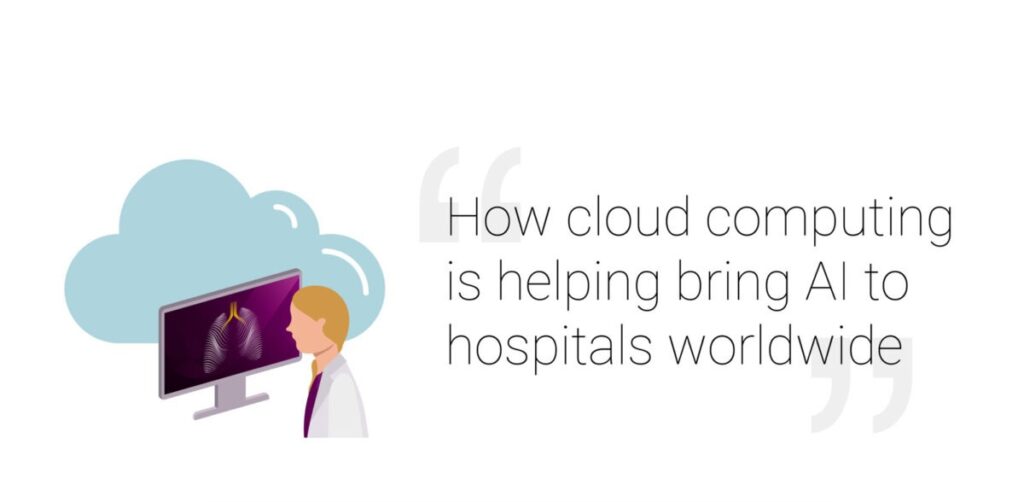
The rapid evolution of healthcare technology is transforming patient care, driven by innovations like artificial intelligence (AI) and cloud computing. As hospitals and medical centers seek more efficient, scalable, and secure ways to adopt these advancements, cloud technology emerges as a crucial enabler. By providing flexible infrastructure and facilitating seamless data sharing, cloud computing is revolutionizing how AI tools are integrated into clinical workflows globally, leading to improved diagnostic accuracy and operational efficiency.
Cloud computing, often misunderstood due to its name, refers to a network of remote servers that deliver various services over the internet. Unlike the misconception of something intangible, these cloud services are hosted in physical data centers operated by specialized providers. For example, iCloud extends an iPhone’s storage capacity by utilizing remote Apple servers, demonstrating how data stored in the cloud physically resides in offsite facilities. This offloading of data management tasks allows healthcare providers to focus on patient care while leveraging scalable, expert-managed infrastructure. The concept of infrastructure as a service (IaaS) has become a standard across industries—from retail to finance—enabling organizations to access computing resources without significant capital investment. Even risk-sensitive agencies like the US National Security Agency have transitioned entirely to cloud platforms, underscoring its reliability and security source.
How DeepHealth Leverages Cloud Computing
DeepHealth has pioneered a cloud-native operating system—DeepHealth OS—that consolidates data from various sources within the clinical and operational workflows. This platform personalizes AI-driven workspaces for radiologists and other healthcare professionals, facilitating better collaboration and decision-making. By integrating AI into a unified system, hospitals can enhance diagnostic accuracy, streamline workflows, and deliver more consistent patient outcomes.
Transitioning to a cloud-native infrastructure empowers DeepHealth to significantly improve scalability, allowing their platform to serve a broader range of imaging centers and hospital networks efficiently. Cloud-based data services enable real-time monitoring and advanced security measures, ensuring that sensitive patient data remains protected against cyber threats. Moreover, this approach reduces operational costs by eliminating the need for extensive on-premise hardware and maintenance. IT teams benefit from simplified management, freeing up resources previously dedicated to hardware repairs, system updates, and data center operations.
For radiologists and other clinicians, the cloud-based system offers unprecedented flexibility. The hybrid work model—combining on-site and remote access—means physicians can review images from anywhere, at any time, improving responsiveness and collaboration. This flexibility not only alleviates physical and staffing constraints but also helps hospitals adapt swiftly to changing circumstances, such as staff shortages or emergencies.
In essence, cloud-based operating systems facilitate the seamless integration of diverse teams, reduce IT overhead, and expand access to advanced AI tools—ultimately fostering a more agile and efficient healthcare environment.
Cloud Computing Demonstrates Proven Efficacy
DeepHealth’s AI solutions have been validated in clinical settings, demonstrating significant improvements in diagnostic outcomes. In preliminary studies within several Mid-Atlantic practices, their AI tools have increased cancer detection rates by up to 20% while decreasing false positive results by approximately 33%. These promising results highlight the potential of cloud-enabled AI to enhance accuracy and reduce unnecessary procedures.
As a wholly owned division of RadNet, DeepHealth has established itself as a trusted partner to radiologists worldwide. Its technology is now utilized in over 300 radiology departments and imaging centers across various countries, performing more than fifteen million exams annually. These efforts have resulted in over two million AI-supported diagnoses, underscoring the tangible benefits of integrating cloud computing with AI-driven diagnostics.
Interesting:
Rapid Deployment and Updates Through Cloud Infrastructure
One of the significant advantages of cloud platforms is the ease of maintenance and rapid deployment of new features. When DeepHealth releases updates or new services, they can be instantly tested and implemented across hospitals without the delays associated with physical device logistics. Traditional deployment processes—shipping, installation, and testing—can take months; cloud solutions condense this timeline to mere hours, ensuring hospitals stay at the forefront of technological innovation.
Additionally, cloud services bolster data redundancy, reducing the risks posed by unforeseen events like storms or system failures. This resilience ensures continuous access to critical patient data and AI tools, safeguarding against disruptions during emergencies.
Enhanced Security and Data Privacy
Patient safety and data security are paramount in healthcare. With over two decades of experience in healthcare technology, I often encounter concerns about the safety of emerging digital solutions. Our commitment at DeepHealth is to uphold the highest standards of data protection, complying with international regulations such as the GDPR and HIPAA. The cloud infrastructure enhances security by providing access to cutting-edge tools and practices, including encryption at rest and during transmission, to thwart malicious attacks.
Cloud providers also enforce strict data processing agreements, ensuring that patient information remains within authorized jurisdictions. For instance, data stored within the European Union adheres to local laws, preventing unauthorized cross-border transfers. This compliance minimizes legal risks and maintains patient confidentiality, allowing healthcare organizations to innovate confidently source.
By deploying AI platforms like DeepHealth OS via cloud services, healthcare providers can deliver safer, more cost-effective care. This approach enables rapid updates, improves data security, and ensures that vital innovations reach patients faster—saving lives and improving outcomes.
—
Note: For more insights into how AI is transforming healthcare, explore defining ai in healthcare concepts and applications. Additionally, emerging treatment options such as immersive therapy for mental health demonstrate the expanding role of innovative technologies in patient care.