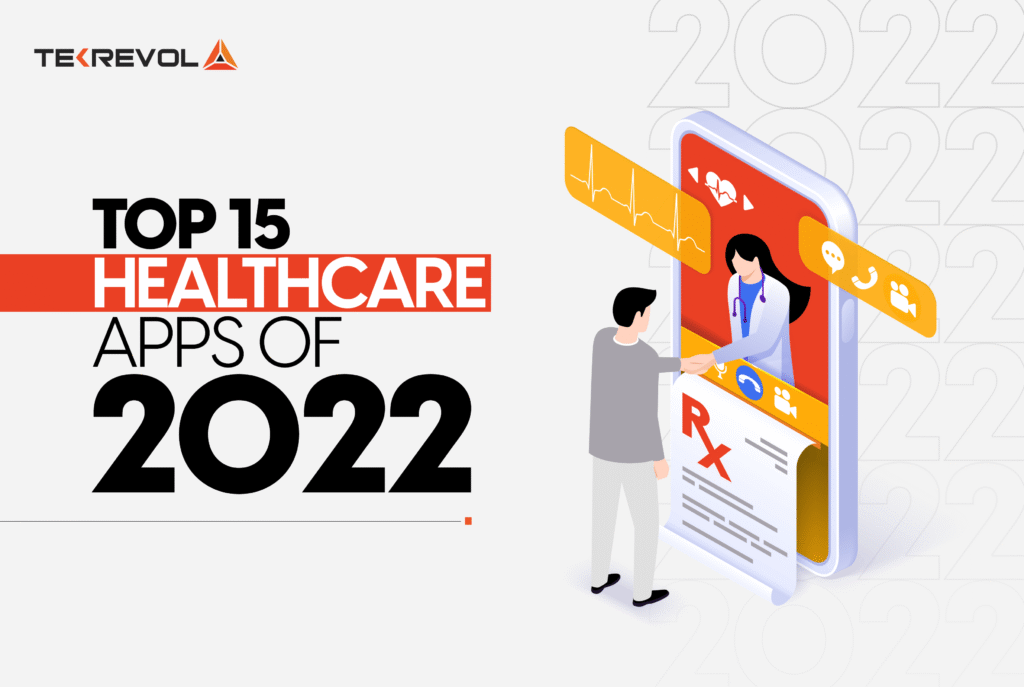
The digital landscape of healthcare continues to evolve rapidly, with new applications emerging to improve patient outcomes, streamline medical processes, and enhance overall well-being. As technology advances, these apps are not only reshaping how individuals manage their health but also supporting medical professionals and organizations in delivering more efficient care. This list of top healthcare applications for 2024 highlights the most innovative and impactful tools that are setting new standards in the industry, offering inspiration for developers, healthcare providers, and users alike.
Healthcare apps today serve a broad spectrum of functions—from fitness monitoring and mental health support to remote diagnostics and chronic disease management. They empower users to take control of their health through personalized insights, real-time data, and seamless communication with medical experts. For professionals in the industry, these apps help automate routine tasks, ensure compliance with regulations, and facilitate better patient engagement. The rapid growth in this sector underscores the importance of developing secure, user-friendly, and compliant solutions—much like the efforts described in resources about improving healthcare compliance efforts through specialized roles and responsibilities.
In the sections that follow, we explore a curated selection of applications across various categories, showcasing their features, benefits, and how they are contributing to a more connected, accessible healthcare environment.
Fitness and Wellness-Focused Healthcare Applications
1. AMJ Workplace Wellness
AMJ Wellness is a corporate-focused app designed to promote employee health and vitality. This platform encourages active routines during work hours by sending reminders for breaks, providing nutrition plans, and recommending physical and mental exercises tailored to individual needs. Users can customize their workout schedules or follow predefined challenges issued by their company administrators. The app’s architecture aligns with current healthcare app development trends, incorporating push notifications for wellness tips, stress management techniques, and personalized health statistics.
Once installed, users answer questions about their hydration, sleep habits, weight management, and stress levels. The app then processes this data to generate tailored recommendations, supporting healthier lifestyles for employees. Available for both Android and iOS devices, AMJ Wellness exemplifies how cross-platform solutions can effectively promote workplace well-being.
2. Stop Vaping Challenge
Developed as a research project by the University of Toronto, the Stop Vaping Challenge app aims to assist users in quitting vaping by encouraging abstinence over a set period. Users initiate a challenge timer, log mood swings and cravings, and track their progress. The app features a leaderboard and badge system to motivate users through gamification, making the journey to quit smoking more engaging. Additionally, social features allow users to create communities with friends and family, fostering support networks for collective success.
This innovative approach leverages behavioral science principles to promote healthier habits and reduce dependence on vaping. For those interested in the broader implications of health tech, exploring how compliance officers contribute to such initiatives reveals their role in fostering responsible digital health solutions see here.
3. My Fitness Pal
A staple in nutrition and fitness tracking, My Fitness Pal helps users monitor their calorie intake, hydration, and physical activity. Its extensive food database and barcode scanning feature make logging meals quick and accurate. The app also allows users to set personalized goals, track progress over time, and access supportive community features. Its intuitive interface and comprehensive data logging have contributed to over 100 million downloads and high user ratings on both Google Play and the App Store.
By offering detailed insights into dietary habits, My Fitness Pal supports weight management and overall health improvement—key components of modern health promotion strategies.
4. Google Fit
Google Fit is Google’s official health and activity tracking platform, designed in collaboration with the American Heart Association and the World Health Organization. It encourages users to accumulate ‘heart points’ by engaging in recommended physical activities, such as walking or cycling, and integrates with various wearable devices for seamless data collection. The app is compatible with numerous third-party fitness apps like MyFitnessPal and Strava, enabling a comprehensive view of personal health metrics across devices.
This app exemplifies interoperability in healthcare technology, emphasizing the importance of integrated data for better health insights.
5. Apple Health
Apple Health consolidates health data from multiple sources into a single dashboard. It tracks sleep, nutrition, physical activity, heart rate, and other vital signs, providing users with a holistic view of their wellness. The app can incorporate data from Apple’s wearables like the Apple Watch, as well as third-party health apps, enabling detailed health monitoring and trend analysis. Users can create detailed medical profiles, including medication lists, immunization records, and lab results, facilitating better communication with healthcare providers.
Its ability to generate comprehensive reports and alerts makes Apple Health a central hub for personal health management on iOS devices, supporting proactive health monitoring and medical record keeping.
Telemedicine and Instant Healthcare Services
6. Heal
Heal is a versatile telehealth platform offering both virtual consultations and in-home doctor visits. Users can schedule appointments, track health conditions remotely, and pay via secure digital payment options like Apple Pay and Google Pay. The app’s model involves vetting healthcare providers to ensure quality and safety. Patients input their details, insurance information, and location to find available practitioners, making healthcare accessible and convenient.
Currently serving millions across the United States, Heal exemplifies how telemedicine can deliver timely care while reducing the burden on traditional healthcare facilities. For those interested in the broader scope of compliance in telehealth, understanding the role of compliance officers is crucial see here.
Interesting:
- Innovative healthcare mobile app development to transform patient care
- Innovative healthcare construction solutions tailored to patient needs
- Transforming healthcare with innovative mobile app development in 2024
- Cutting edge healthcare app development to transform patient care
- Navigating the path to ideal custom healthcare software development
7. Talkspace Therapy and Counseling
As a leader in digital mental health, Talkspace connects users with licensed therapists through in-app messaging, audio, and video sessions. It’s designed to provide accessible mental health support, especially for individuals hesitant to seek face-to-face therapy. Clinical studies indicate that regular use of Talkspace can significantly reduce stress and anxiety symptoms, making mental health care more approachable.
While premium-priced, the app offers flexible plans with options for text, audio, and video therapy, making mental health services more affordable compared to traditional therapy sessions. For those exploring the future of mental health support, Wysa offers an AI-driven chatbot alternative for mood tracking and anxiety relief, demonstrating how AI innovation is shaping mental healthcare see here.
Mental Well-Being and Mindfulness Apps
8. Calm
Calm has become synonymous with mindfulness and stress reduction, offering guided meditations, sleep stories, breathing exercises, and relaxation techniques. Its user-friendly interface and multilingual support make it accessible worldwide. The app caters to various needs, from reducing anxiety to improving sleep quality, and offers specialized plans for individuals, businesses, and families.
Available on multiple platforms, Calm’s subscription options include annual and lifetime plans, providing extensive content for continuous mental health support.
9. Headspace
Headspace focuses on mindfulness, meditation, and sleep enhancement, offering a wide array of guided sessions, educational articles, and calming music. It helps users establish healthy routines, manage stress, and improve focus. The app’s growing library and approachable design make it a favorite among mental health apps, with flexible subscription plans and free trial options for new users.
10. Wysa
Wysa stands out as an AI-powered mental health chatbot that offers mood tracking, mindfulness exercises, and anxiety management tools. Its conversational interface provides a safe space for users to express feelings and receive supportive feedback without involving human therapists. Its use of artificial intelligence and user-centric design makes it a pioneer in digital mental health solutions, with high ratings on app stores and over a million downloads.
Chronic Disease and Patient Management Solutions
11. Aysa
Aysa acts as a digital skin advisor, guiding users through mild dermatological concerns by analyzing images and symptoms. By leveraging advanced AI and data from millions of queries and medical professionals’ expertise, it offers personalized suggestions without diagnosing conditions directly, respecting user privacy. This approach supports early self-assessment and encourages professional consultation when needed.
12. Diabetes:M – Blood Sugar Tracker
Diabetes:M is a comprehensive app for managing blood sugar levels across various diabetes types. It allows users to log glucose readings, medication, diet, and physical activity, generating detailed reports in PDF or Excel formats. Its integration capability and smartwatch compatibility make it suitable for continuous monitoring and management, essential for effective disease control.
13. EyecareLive
EyecareLive simplifies eye health management by enabling remote consultation for common eye issues. Users can upload images of their eyes, consult with specialists via secure video calls, and keep track of follow-up appointments. Its intuitive design aims to increase access to eye care services, especially in underserved areas.
14. Medici for Doctors
Medici facilitates secure messaging and teleconsultations between healthcare providers and patients. Its compliance with HIPAA ensures confidentiality while offering features like e-prescriptions, appointment scheduling, and in-app billing. This platform helps busy practitioners streamline patient management and improve care delivery.
15. PocketRx
PocketRx is a medication management app that provides refill reminders, prescription tracking, and discounts for pharmaceuticals. Its integration with local pharmacies allows users to request refills on the go, making medication adherence easier and more cost-effective.
The Future of Healthcare App Development
The continuous expansion of healthcare applications underscores the importance of creating solutions that are secure, user-friendly, and compliant with industry standards. Developing such apps involves careful consideration of privacy policies, data security, and regulatory requirements like HIPAA. Moreover, incorporating emerging trends and innovations, such as AI-driven diagnostics and data interoperability, can significantly enhance app effectiveness see here.
Partnering with experienced developers like TekRevol can turn your healthcare app ideas into impactful, life-changing tools. Our team specializes in building scalable, compliant, and innovative health solutions tailored to your vision. Whether you’re interested in creating a fitness tracker, mental health platform, or comprehensive telemedicine service, we’re ready to help you make it happen.
—
Building a healthcare app? Contact TekRevol today for a quick discovery phase, cost estimation, and project kickoff within 48 hours. Let us bring your health tech vision to life and contribute to a healthier world.