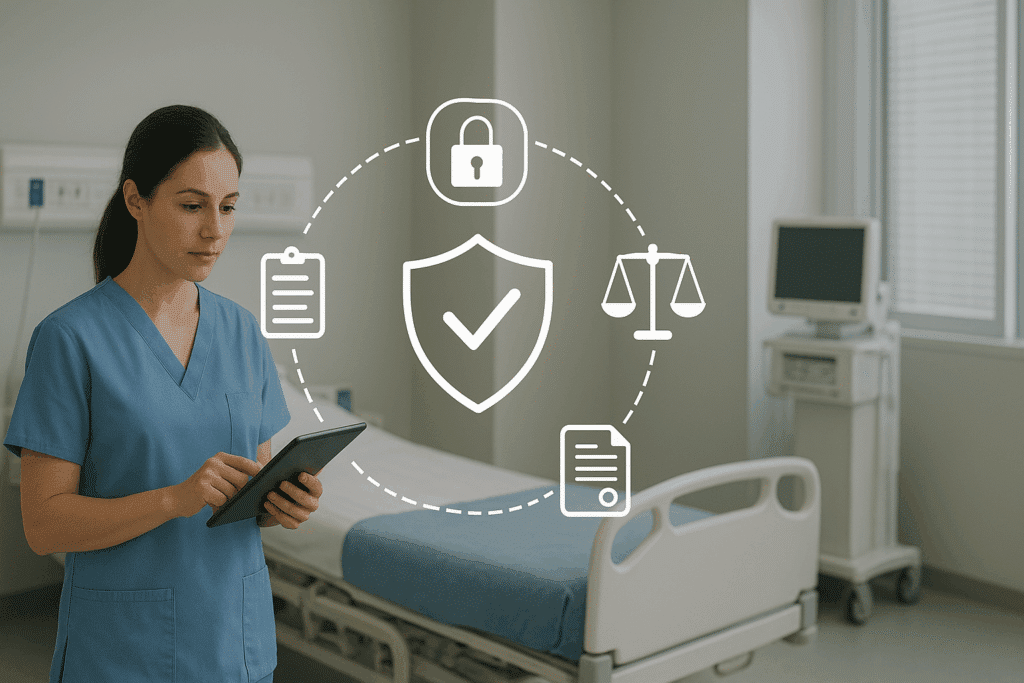
Effective compliance management is a cornerstone of operational excellence in healthcare organizations. It not only safeguards patient safety and privacy but also shields institutions from costly penalties and legal repercussions. Gauging how well your compliance efforts perform is essential for continuous improvement and adapting to evolving regulations. A strategic approach to measuring compliance program effectiveness involves a combination of clear metrics, advanced technology, and organizational commitment, ensuring your compliance system remains robust and responsive.
Once you understand the core principles, you can develop a comprehensive framework that tracks progress, identifies vulnerabilities, and fosters a culture of ongoing improvement. This guide will explore the vital components and best practices for assessing and enhancing your compliance initiatives.
What Is Compliance Program Effectiveness?
At its core, compliance program effectiveness measures how successfully an organization’s compliance activities meet their intended objectives. These include preventing violations, detecting issues early, and ensuring adherence to all relevant regulations. A truly effective compliance program extends beyond documentation; it manifests in tangible results such as fewer violations, higher employee awareness, and streamlined operational processes.
Key indicators demonstrating a thriving compliance environment include:
- A decline in violations and regulatory penalties
- Increased rates of staff completing compliance training and understanding key policies
- Prompt detection and resolution of compliance incidents
- Seamless integration of compliance procedures into daily workflows
- Uniform adherence to policies across all organizational levels
Regularly assessing these indicators allows organizations to identify strengths and areas needing improvement, ensuring ongoing regulatory alignment.
Essential Components of Effective Compliance Management
Comprehensive Compliance Monitoring and Tracking
Modern compliance programs rely on advanced monitoring tools capable of providing real-time insights into performance metrics. These systems should enable organizations to oversee multiple compliance requirements simultaneously, offering actionable data for continuous improvement. For example, platforms like the Guard compliance dashboard from Compliancy Group exemplify this approach by consolidating all compliance-related activities into a single interface. Such tools facilitate tracking employee training progress, assessment outcomes, vendor compliance status, and remediation efforts, all in one centralized location.
Risk Assessment and Gap Analysis
Proactively identifying vulnerabilities through ongoing risk assessments is vital. Automated compliance tools can simplify this process by conducting structured questionnaires that automatically flag gaps and generate corrective action plans. This continuous risk evaluation helps organizations stay ahead of potential violations and maintain a strong compliance posture.
Employee Training and Engagement
The effectiveness of compliance programs heavily depends on how well employees understand their roles and responsibilities. Investing in engaging, role-specific training modules yields significant improvements in compliance rates. Modern platforms use personalized learning paths, interactive content, and progress tracking to maximize knowledge retention. For instance, organizations leveraging platforms with diverse courses on HIPAA, OSHA, cybersecurity, and clinical compliance—using engaging delivery methods—see higher participation and understanding. You can learn more about innovative training strategies in training future surgeons with virtual reality.
Documentation Management and Policy Control
Maintaining accurate, accessible policies is foundational to compliance success. Automated systems that offer templated policies, automatic updates, and centralized repositories help ensure consistency and ease of access across departments. Proper documentation management supports audit readiness and reinforces a culture of compliance.
Key Metrics for Measuring Compliance Program Success
Leading Indicators
Leading indicators serve as early warning signals, helping organizations address potential issues proactively:
- Rates of training completion and assessment scores
- Policy acknowledgment and acceptance
- Participation levels in risk assessments
- Frequency and quality of incident reports
- Vendor compliance certification rates
Lagging Indicators
Lagging indicators evaluate the outcomes of compliance efforts and help measure long-term success:
- Number of violations or penalties issued
- Audit findings and timeliness of corrective actions
- Resolution times for compliance incidents
- Patient complaints related to safety or privacy breaches
- Overall results from regulatory examinations
Monitoring both types of indicators provides a comprehensive view of your program’s health and efficacy.
Implementing Effective Compliance Tracking Systems
Centralized Dashboard Management
A unified compliance dashboard acts as the nerve center for program oversight. Effective dashboards feature real-time updates, visual analytics, automated alerts, and integration with training and incident management systems. Customizable views allow different roles within the organization to access relevant data, enhancing transparency and accountability.
Interesting:
- Evaluating the effectiveness of your compliance program
- The essential role of a healthcare compliance officer in modern medicine
- The essential role and responsibilities of a compliance officer
- Ensuring data security the critical role of hipaa compliance in healthcare communication
- The crucial role of healthcare compliance officers in modern medicine
Automated Workflow Management
Automation reduces manual errors and enhances process consistency. Automated systems can assign training modules, send reminders for upcoming deadlines, escalate overdue tasks, and generate compliance reports seamlessly. Such tools streamline operations, freeing staff to focus on core responsibilities.
Incident Management and Response
Robust incident tracking systems enable organizations to detect recurring issues, analyze root causes, and implement corrective actions efficiently. Excellent incident management tools provide comprehensive ticketing, tracking, and reporting features, supporting organizational learning and preventing future violations.
Best Practices for Compliance Program Optimization
Regular Program Evaluation
Quarterly reviews that combine quantitative data and qualitative feedback are essential for assessing program effectiveness. These evaluations should analyze training impact, policy adherence, incident trends, and stakeholder satisfaction, providing actionable insights for refinement.
Technology Integration
Leveraging integrated compliance solutions helps eliminate data silos and creates a unified oversight platform. Choose systems that combine training management, risk assessment, policy distribution, and incident reporting to streamline operations and improve oversight.
Stakeholder Engagement
Active engagement of stakeholders at all levels fosters a compliance culture rooted in shared responsibility. Regular communication, feedback solicitation, and participatory improvement initiatives ensure compliance becomes an organizational priority rather than a burden.
Continuous Improvement Culture
Promote an environment where compliance is viewed as an ongoing opportunity for enhancement. Encouraging reporting of issues, recognizing achievements, and updating processes based on lessons learned help maintain momentum toward excellence.
Common Compliance Challenges and Strategic Solutions
Fragmented Data
Solution: Deploy comprehensive management platforms that unify all compliance activities, providing complete visibility and eliminating inefficiencies caused by multiple systems.
Low Training Engagement
Solution: Implement interactive, role-specific training that resonates with daily responsibilities. Regularly monitor engagement metrics and refine content to keep learners motivated.
Inconsistent Policy Adherence
Solution: Use templated policies designed for consistency, with regular reviews and acknowledgment processes that reinforce awareness and compliance.
The Future of Compliance Program Effectiveness
As regulations grow more complex, organizations are turning to innovative technologies such as artificial intelligence and machine learning to predict compliance risks and automate routine tasks. Automation minimizes manual oversight, freeing resources for strategic initiatives. Healthcare entities that prioritize this evolution, including evaluating virtual reality in medicine, can better adapt to changing landscapes.
By establishing comprehensive measurement frameworks, investing in integrated technology solutions, and cultivating a culture of continuous improvement, organizations position themselves for sustainable success. Platforms like the Guard compliance dashboard exemplify how modern tools can make complex regulatory environments manageable and trackable.
Focusing on a balanced mix of proactive and reactive metrics, diligently maintaining documentation, and actively engaging stakeholders are essential steps toward building resilient compliance programs. Ultimately, effective measurement not only ensures regulatory adherence but also enhances patient safety, operational efficiency, and organizational reputation.