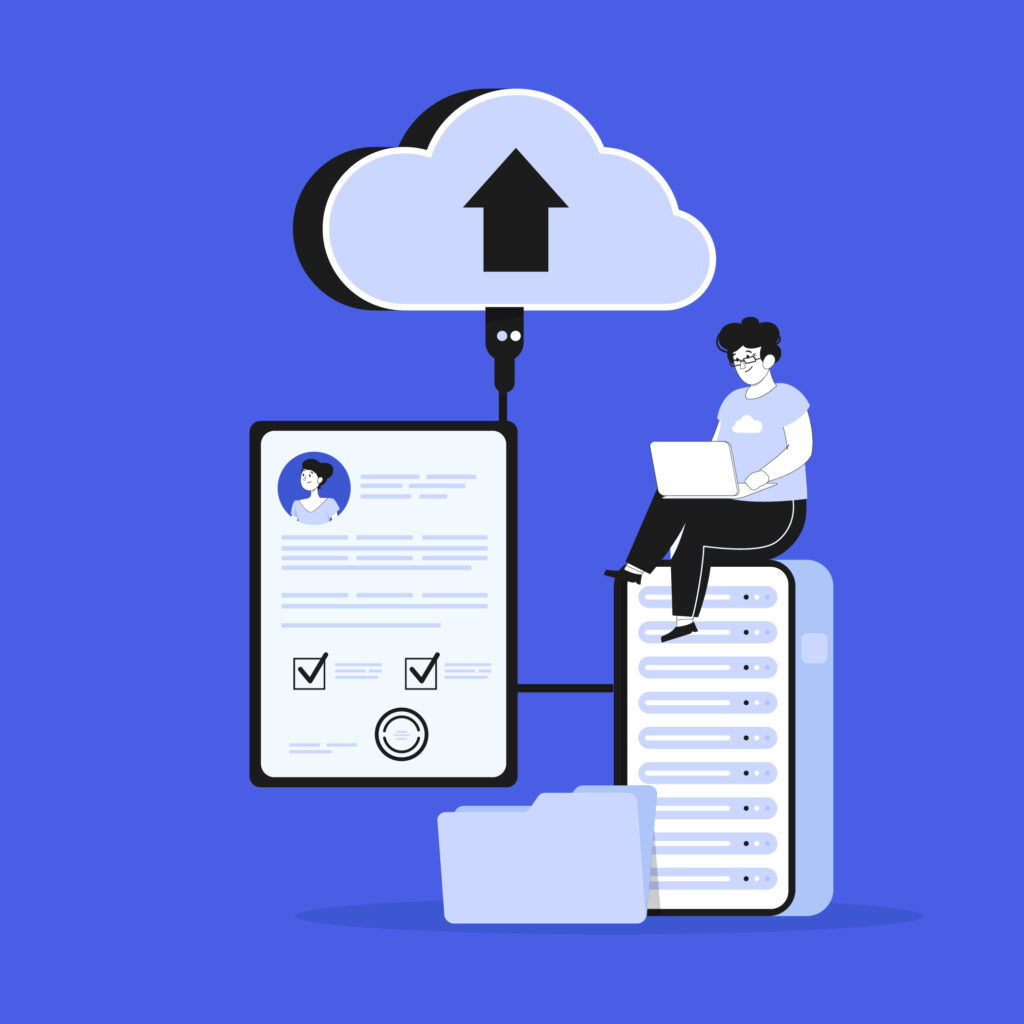
The adoption of cloud computing has revolutionized numerous industries, and healthcare is no exception. By enabling secure, scalable, and efficient data management, cloud technology is transforming how medical institutions operate and how patients receive care. As healthcare organizations seek innovative ways to improve outcomes and streamline processes, understanding the fundamentals and benefits of cloud solutions becomes essential. This guide delves into the role of cloud computing in healthcare, exploring its types, advantages, challenges, and future prospects, all while emphasizing its critical importance in today’s digital health landscape.
What is Cloud Computing in Healthcare?
In essence, cloud computing in healthcare involves utilizing remote servers accessed via the internet to store, manage, and analyze medical data. This approach offers a flexible and accessible platform for healthcare providers and patients alike, breaking down geographical and logistical barriers to medical services. Cloud solutions enable healthcare entities to access vast amounts of data securely from anywhere at any time, which enhances decision-making, supports telemedicine, and facilitates rapid data sharing.
For healthcare providers, virtualization within cloud environments reduces operational costs by decreasing the need for physical infrastructure while enabling high-quality, personalized care. Patients, on the other hand, increasingly expect instant access to their health information and services, which cloud technology readily provides. According to McKinsey, industries like healthcare are projected to derive up to $3 trillion in value from cloud adoption by 2030, underscoring its transformative potential. The market itself is expected to grow from approximately $58.93 billion in 2024 to over $170 billion by 2030, reflecting the sector’s rapid shift toward cloud-based solutions.
Healthcare organizations seeking to improve efficiency, compliance, and patient outcomes should consider investing in cloud infrastructure. This strategic move not only keeps them competitive but also prepares them for future innovations such as AI-driven diagnostics and integrated health monitoring systems.
Types of Cloud Computing in Healthcare
Cloud computing models in healthcare are primarily classified based on deployment and distribution methods. Each type offers distinct advantages suited to different organizational needs.
By Deployment
- Private Cloud: Exclusively used by a single healthcare organization, this model provides maximum control over data security and customization. Large hospital networks or health systems with sensitive data often prefer private clouds to meet strict privacy requirements.
- Community Cloud: Shared among a consortium of healthcare organizations with common concerns, this option offers cost savings and privacy benefits, making it suitable for regional or specialized healthcare groups.
- Public Cloud: Managed by third-party providers, public clouds are accessible to multiple organizations. They offer high scalability and cost efficiency, ideal for smaller clinics or practices that require flexible resources without heavy capital investment.
- Hybrid Cloud: Combining private, community, and public clouds, this versatile model allows healthcare providers to allocate data and applications across different environments based on security, compliance, and operational needs. It offers a balanced approach to scalability and control.
By Distribution
- Software as a Service (SaaS): This model enables healthcare providers to access applications hosted online, such as Electronic Health Records (EHRs), without managing infrastructure. SaaS simplifies updates and maintenance while ensuring data security.
- Infrastructure as a Service (IaaS): Provides essential computing resources like servers and storage, with the healthcare organization managing the software layer. IaaS offers flexibility and control over infrastructure without large physical hardware investments.
- Platform as a Service (PaaS): Offers a complete platform for developing, running, and managing healthcare applications, supporting customization and rapid deployment of solutions such as health analytics tools or patient engagement apps. For more on the differences, see the key distinctions between IaaS and PaaS.
Benefits of Cloud Computing in Healthcare
Implementing cloud technology delivers numerous advantages that enhance operational efficiency and patient care quality.
Cost Reduction
By leveraging cloud resources, healthcare organizations eliminate the need for costly on-premise data centers and hardware investments. Cloud solutions operate on a pay-as-you-go basis, meaning providers only pay for the resources they use, enabling significant savings. Additionally, cloud scalability allows organizations to adjust storage and computing power according to demand, such as during health crises when data volumes surge.
Seamless Interoperability
One of the most vital benefits is improved data integration. Cloud platforms facilitate interoperability across different healthcare systems, ensuring that patient data is accessible and shareable regardless of the source or location. This seamless exchange supports better clinical decisions and reduces redundant testing. For insights into how emerging technologies support healthcare interoperability, see virtual reality in medicine perspectives and features.
Empowering Patients with Data Ownership
Cloud-based solutions democratize access to health information, empowering patients to participate actively in their care. Patients can view their records, manage appointments, and access educational resources easily. This transparency fosters engagement and adherence to treatment plans. Moreover, cloud systems simplify data archiving and retrieval, improving reliability and reducing data loss risks.
Enhanced Collaboration
Healthcare cloud adoption enhances teamwork among providers, specialists, and patients. Electronic health records stored in the cloud are accessible in real-time, enabling clinicians to coordinate care effectively. For example, specialists can review test results instantly, reducing delays and improving treatment accuracy. This level of collaboration is vital for complex cases requiring multidisciplinary input.
Security and Privacy
While data security is a concern, cloud providers invest heavily in cybersecurity measures. Encryption, intrusion detection, and regular audits help protect sensitive health data from breaches. These security features are crucial, given the industry’s strict regulatory environment.
Regulatory Compliance
Cloud solutions often come with compliance frameworks aligned with standards like HIPAA and GDPR, simplifying adherence to legal requirements. Providers benefit from built-in security controls and audit trails, reducing the burden of compliance management.
Disaster Recovery and Business Continuity
Cloud storage ensures that data remains safe even during disasters such as fires, floods, or cyberattacks. Rapid data recovery minimizes downtime and maintains continuous patient care, which is critical for healthcare providers.
Advanced Data Analytics
Cloud platforms support sophisticated analytics, including predictive modeling and machine learning. These capabilities enable healthcare providers to identify disease trends, optimize treatments, and improve operational efficiencies. For additional insights, explore training the surgeons of tomorrow with virtual reality.
Environmental Sustainability
By reducing the reliance on physical data centers, cloud computing decreases energy consumption and lowers carbon footprints. This aligns with global sustainability goals and promotes eco-friendly healthcare practices.
Cloud Computing for Patient-Centered Care
Beyond data management, cloud technology directly enhances patient experiences through personalized care and real-time monitoring.
Personalized Interactions
Access to comprehensive, real-time data allows clinicians to tailor treatments to individual patients. This personalization improves patient satisfaction and adherence, leading to better health outcomes.
Interesting:
- Transforming healthcare with cloud computing key use cases and market insights
- Transforming healthcare with cloud technology advantages and practical implementations
- Demystifying claims processing in healthcare a comprehensive overview
- Transforming healthcare facilities with expert construction solutions
- Transforming healthcare with virtual reality top 14 advantages
Enhanced Monitoring
IoT devices and wearables integrated with cloud platforms enable continuous health monitoring outside clinical settings. Healthcare providers can receive instant alerts about anomalies, facilitating early intervention. Discover innovative solutions like YouCOMM, a healthcare app that allows patients to connect with hospital staff using voice commands and gestures, powered by cloud tech.
Streamlined Care Coordination
Cloud systems enable seamless sharing of patient data among various providers, ensuring everyone involved in a patient’s care has access to the latest information. This coordination reduces errors and improves treatment effectiveness.
Improved Access to Services
Telemedicine applications powered by cloud computing extend healthcare access to remote or underserved populations. Patients can consult specialists without traveling, improving health equity.
Real-World Use Cases in Healthcare
Cloud computing is actively transforming healthcare through diverse applications:
- Telemedicine: Cloud platforms facilitate remote consultations and diagnostics, expanding access and reducing hospital load. Cleveland Clinic exemplifies this by delivering telehealth services via cloud infrastructure, enhancing patient engagement.
- Medical Imaging: Large imaging files are stored and analyzed in the cloud, speeding up diagnoses. Mayo Clinic leverages cloud solutions for rapid image access and interpretation.
- Health Information Exchange (HIE): Secure sharing of patient data across facilities improves care continuity. Intermountain Healthcare uses cloud-based HIE systems to connect providers efficiently.
- Electronic Health Records (EHRs): Cloud-based EHRs enable easy access and updating of patient records, as seen with Kaiser Permanente’s integrated system, streamlining clinical workflows.
- Research and Development: Cloud environments support large-scale genomic research and clinical trials. Johns Hopkins Medicine utilizes cloud platforms to accelerate genetic data analysis and personalized medicine development.
Challenges of Cloud Computing in Healthcare
Despite its benefits, cloud adoption presents certain risks:
Data Security and Privacy
Handling sensitive health data requires robust security measures. Breaches can have severe consequences. Implementing encryption, regular audits, and compliance with standards like HIPAA are essential to mitigate risks.
Regulatory Compliance
Healthcare providers must navigate complex legal frameworks. Partnering with cloud providers experienced in healthcare regulations simplifies compliance efforts.
Infrastructure Integration
Migrating legacy systems to the cloud can be challenging. A hybrid cloud approach allows phased transition, reducing operational disruptions.
Service Disruptions
Downtime can impact patient care. Selecting reliable providers and establishing contingency plans, such as redundant data storage, are vital strategies.
Cost Management
Unexpected expenses like data transfer fees require careful planning. Scalable and monitored cloud services help control costs effectively.
Skill Gaps
Staff training is necessary to maximize cloud benefits. Investing in education or hiring cloud specialists ensures smooth implementation.
The Road Ahead: Future of Cloud in Healthcare
The trajectory of cloud computing in healthcare is upward, with innovations driving widespread adoption:
- Broader Adoption: Smaller clinics will increasingly leverage cloud solutions, democratizing access to advanced healthcare tools.
- Enhanced Analytics: Advanced AI and machine learning on cloud platforms will enable predictive diagnostics and personalized treatments.
- Interoperability and Collaboration: Future systems will seamlessly connect diverse healthcare providers, fostering integrated care.
- IoT and Wearables: Growing networks of connected devices will facilitate continuous health monitoring and proactive care.
- Edge Computing: Processing data closer to the source will reduce latency and support real-time applications like remote surgeries.
- Sustainable Practices: Cloud’s environmental benefits will align with global sustainability initiatives, making healthcare greener.
For those interested in exploring how emerging technologies integrate with healthcare, see virtual reality in medicine perspectives and features and vr and ar in healthcare, pharmaceuticals, and sports.
How Can Healthcare Organizations Embrace Cloud Solutions?
Partnering with experienced providers can streamline the transition. Companies like Appinventiv offer tailored cloud consulting, architecture design, and managed services to address unique healthcare needs. Our expertise includes developing applications that leverage cloud infrastructure for remote diagnostics, patient engagement, and data analytics.
By adopting cloud solutions, healthcare providers can enhance operational agility, improve patient outcomes, and stay ahead in a rapidly evolving digital health environment. Contact us to learn how we can assist in implementing secure, compliant, and scalable cloud systems tailored to your organization’s requirements.
—
This comprehensive overview underscores that cloud computing is no longer optional but a strategic necessity in modern healthcare. Embrace the future of digital health today.