


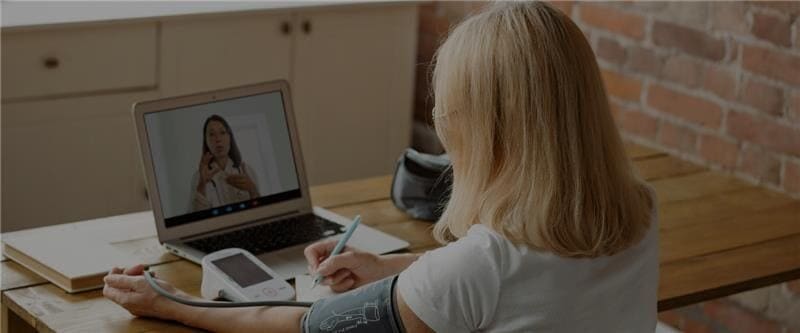
Remote patient monitoring (RPM) is revolutionizing healthcare by enabling continuous, real-time oversight of patients outside traditional clinical settings. This technology allows healthcare providers to remotely collect, transmit, and analyze vital health data, leading to more proactive and personalized care. As the healthcare landscape evolves with a focus on digital solutions and chronic disease management, understanding the multifaceted benefits of RPM is essential for healthcare organizations aiming to improve patient outcomes, reduce costs, and expand access to quality care.
By integrating connected devices and digital tools, RPM bridges the gap between patients and providers, fostering a seamless flow of health information. This approach not only enhances diagnostic accuracy but also facilitates timely interventions, preventing complications before they escalate. For instance, advanced monitoring tools can track blood glucose levels in diabetics or oxygen saturation in respiratory patients, providing critical data that informs treatment adjustments in real time. For insights into how emerging technologies like virtual reality are influencing medical training and patient care, check out virtual reality in medicine perspectives and features.
What Is Remote Patient Monitoring and How Does It Operate?
Remote patient monitoring involves the use of sophisticated connected devices and digital platforms to observe patients’ health metrics remotely. These tools continuously gather data such as heart rate, blood pressure, glucose levels, and oxygen saturation, transmitting this information securely to healthcare providers. This process allows clinicians to analyze vital signs and symptoms without the need for physical visits, making healthcare more accessible and less disruptive for patients.
RPM’s power lies in its ability to shift care from reactive to proactive. Instead of waiting for symptoms to worsen, care teams can detect early warning signs through real-time data, enabling prompt interventions. This continuous monitoring also encourages patient engagement, as individuals become active participants in managing their health. For example, wearable devices like blood pressure cuffs or pulse oximeters are vital in managing conditions such as hypertension or respiratory illnesses, offering real-time insights that improve clinical decision-making. When developing healthcare applications, attention to design and security is critical; for comprehensive guidelines, see 7 things you need to pay attention when developing a healthcare application.
Examples of Remote Patient Monitoring Devices
- Glucose Monitors: Support diabetics by providing continuous blood sugar readings to prevent hypoglycemia or hyperglycemia.
- Blood Pressure Cuffs: Offer ongoing monitoring to help identify hypertension trends and prevent cardiovascular complications.
- Heart Rate and Pulse Oximeters: Track cardiac activity and oxygen saturation, especially for patients with respiratory or cardiac conditions.
- Weight and Activity Sensors: Detect early signs of fluid retention or inactivity in managing chronic heart failure or obesity.
- Spirometers: Measure lung capacity to assist in managing respiratory diseases such as COPD or asthma.
These devices enable the transmission of critical health information directly to medical teams, supporting data-driven, continuous care even when patients are at home or on the go.
1. Lowering Infection Risks and Controlling Disease Spread
One of the most immediate advantages of RPM is its potential to minimize the spread of infectious diseases by reducing in-person visits. During pandemics like COVID-19, remote monitoring has been instrumental in limiting exposure and transmission, especially for vulnerable populations. Patients can be safely monitored at home, decreasing the need for hospital visits unless absolutely necessary. This approach not only protects patients but also alleviates the burden on healthcare facilities. According to the Healthcare Information and Management Systems Society (HIMSS), home-based monitoring for contagious patients significantly reduces transmission risks and ensures that urgent cases receive timely hospital care when needed.
2. Alleviating Healthcare System Strain
Hospitals frequently grapple with resource limitations, including staffing shortages and bed capacity constraints, especially during health crises or flu seasons. RPM helps ease these pressures by enabling the management of chronic conditions outside hospital environments. Patients with conditions such as diabetes, hypertension, or COPD can be monitored remotely, reducing hospital readmissions and freeing up critical resources for acute cases. This shift not only improves operational efficiency but also enhances patient satisfaction by providing more comfortable, personalized care in familiar settings.
3. Accelerating and Enhancing Access to Critical Data
Real-time data from remote monitoring devices allows healthcare providers to make faster, more accurate clinical decisions. With continuous insights into vital signs, clinicians can observe trends, detect anomalies early, and modify treatment plans promptly. This real-time access facilitates a precision medicine approach, tailoring interventions to individual patient needs. For example, tracking cardiac rhythms remotely can help identify arrhythmias early, leading to timely interventions that prevent adverse events. To explore how evolving digital tools are transforming medical practices, see training the surgeons of tomorrow with virtual reality.
4. Enhancing Patient Outcomes and Encouraging Engagement
The most profound impact of RPM lies in its ability to improve health outcomes and boost patient participation. Studies indicate that patients utilizing remote monitoring experience fewer hospital readmissions, better management of chronic diseases, and increased satisfaction with their care. When individuals are actively involved in observing and managing their health data, adherence to treatment regimens improves, leading to a higher quality of life. RPM fosters a collaborative environment where healthcare providers and patients work together toward achieving long-term wellness goals, making care more personalized and effective.
Interesting:
5. Cost Reductions for Healthcare Providers and Patients
Financial savings are among RPM’s significant advantages. By decreasing the necessity for in-person visits, reducing hospital readmissions, and preventing unnecessary procedures, remote monitoring solutions help healthcare systems cut costs. For providers, this translates into more efficient resource utilization and improved financial sustainability. Moreover, recent updates to reimbursement policies, such as CPT codes from the Centers for Medicare & Medicaid Services (CMS), have made billing for RPM services more accessible, encouraging broader adoption. Implementing these solutions supports both better health outcomes and stronger return on investment.
Common Applications of Remote Patient Monitoring Across Medical Fields
RPM’s versatility extends across various specialties, supporting both chronic disease management and preventive care. For example:
- Cardiology: Continuous blood pressure and electrocardiogram (ECG) monitoring aid in managing hypertension and arrhythmias.
- Pulmonology: Tracking oxygen levels and respiratory function helps in controlling COPD and asthma.
- Endocrinology: Continuous glucose monitoring supports diabetes management more effectively.
These use cases exemplify how remote health monitoring fosters early detection, timely intervention, and ongoing patient engagement in diverse clinical settings.
Challenges to Overcome in Remote Patient Monitoring
Despite its numerous benefits, RPM faces certain hurdles that must be addressed for sustained success:
- Data Security and Privacy: Protecting sensitive health information while ensuring HIPAA compliance remains a top priority.
- Device Interoperability: Seamless integration across various devices and electronic health record systems is essential for efficient workflows.
- Patient Engagement: Encouraging consistent use of monitoring devices and ensuring patient understanding can be challenging, especially among older populations.
Addressing these issues requires partnership with technology providers that prioritize secure connectivity, scalable deployment, and comprehensive device management.
How KORE Simplifies Remote Monitoring Implementations
KORE offers healthcare organizations and technology providers a robust platform for deploying scalable, secure remote patient monitoring solutions. With extensive experience in connected health, KORE ensures reliable connectivity across diverse networks and regions, simplified device management, and compliance-ready infrastructure to protect patient data. Their solutions enable healthcare entities to develop sustainable connected ecosystems, facilitating better patient care regardless of location. For more insights on deploying effective healthcare applications, review 7 things you need to pay attention when developing a healthcare application.
Final Remarks
The shift towards remote patient monitoring signifies a fundamental transformation in healthcare delivery. Its ability to lower costs, improve health outcomes, and empower both patients and providers makes it a cornerstone of modern medicine. As technology advances and adoption grows, RPM will continue to redefine how care is accessed and delivered, paving the way for a healthier, more connected future.
To explore how your organization can implement successful remote monitoring systems, reach out to our experts today.