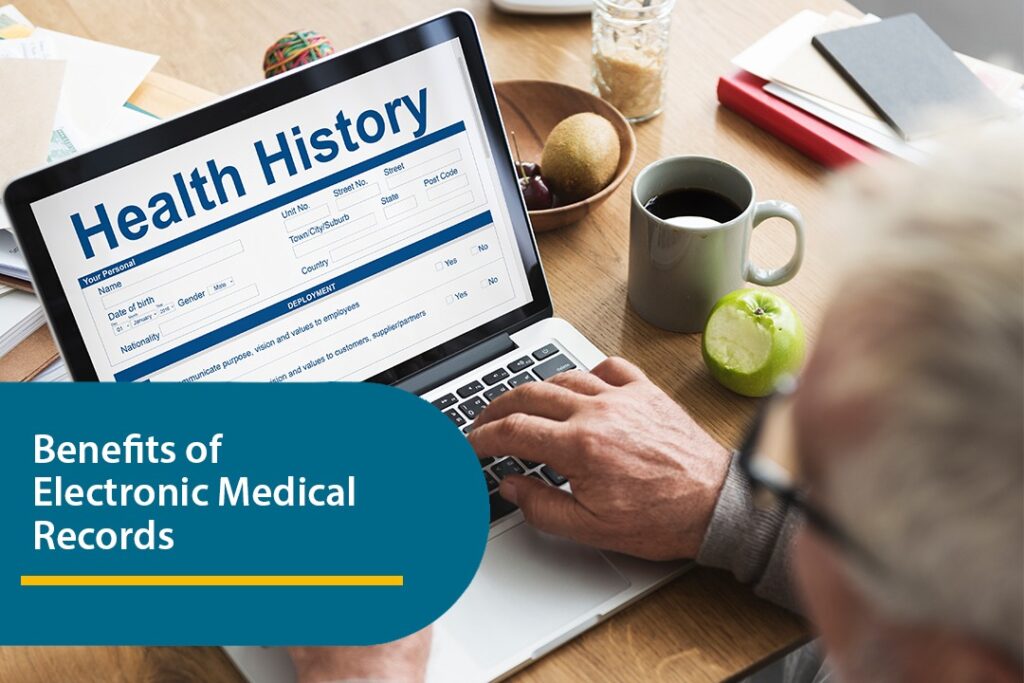
The integration of Electronic Medical Records (EMRs) into healthcare systems has revolutionized the way medical data is stored, accessed, and managed. As digital technology continues to advance, healthcare providers worldwide are increasingly adopting these systems to enhance patient care, streamline administrative processes, and improve overall operational efficiency. The shift from traditional paper-based records to comprehensive electronic documentation is more than a trend—it’s a necessary evolution driven by the need for accuracy, speed, and accessibility in medical services. Understanding the benefits and advantages
What Are Electronic Medical Records?
To grasp their significance, it’s essential to understand what EMRs entail. Electronic Medical Records are secure, digital versions of patients’ medical histories used by healthcare providers for documentation and clinical decision-making. An EMR typically contains detailed information such as medical histories, doctor’s notes, diagnostic results, laboratory reports, radiology images like X-Rays and scans, prescribed treatments, and medication lists. These records are accessible online, allowing doctors to retrieve patient data instantly regardless of their location, which is particularly beneficial when seeking specialist opinions across different medical domains. Accurate and comprehensive documentation through EMRs reduces diagnostic errors, facilitates timely interventions, and ensures that patients receive appropriate care based on complete medical histories.
Over the years, the expansion of TeleHealth services in countries like India has significantly increased the adoption of EMRs. These digital systems not only store patient information but also support various administrative functions such as processing insurance claims, managing payments, scheduling appointments, onboarding new patients, and securely sharing information across different healthcare facilities. The ability to access and update medical data seamlessly has transformed healthcare delivery, making it more efficient and patient-centric.
What Are the Benefits & Advantages of Electronic Medical Records?
The adoption of EMRs has profoundly impacted healthcare operations, offering numerous benefits that enhance service quality for both providers and patients. These advantages can be categorized into two primary groups:
Interesting:
- Unlocking the power of electronic medical records in modern healthcare 2
- Harnessing the power of artificial intelligence in modern healthcare
- Unlocking the power of emr integration for modern healthcare
- Unlocking the transformative power of ai in global healthcare
- Unlocking the transformative power of ar vr in healthcare innovation
For Patients
- Reduced Errors: Digital records minimize the chances of mistakes associated with handwritten notes or paper files, leading to safer patient outcomes.
- Expedited Information Sharing: Faster and more accurate data exchange enables quicker diagnoses and timely treatment plans.
- Enhanced Treatment Quality: Access to comprehensive medical histories supports more precise and personalized care.
- Patient Empowerment: Patients can view their records, access treatment instructions, and track their health progress anytime and from anywhere, fostering better engagement and adherence.
- Continuous Medical History: Maintaining an organized and complete record simplifies ongoing care and future consultations.
For Hospitals and Healthcare Providers
- Cost Savings: Automating administrative tasks reduces operational expenses related to paperwork, storage, and manual data entry.
- Data Security and Confidentiality: EMRs incorporate advanced security measures to protect sensitive health information, maintaining patient privacy.
- Broader Reach: Authorized clinics and healthcare providers can access patient data remotely, facilitating coordinated care across multiple locations.
- Transparent Communication: EMRs promote clear and consistent communication among medical and administrative staff, minimizing misunderstandings.
- Scalability: As healthcare organizations grow, EMRs can be expanded and customized to meet increasing demands without disrupting existing workflows.
Keep in Mind
The rapid growth of TeleHealth in India exemplifies how digital systems like EMRs can significantly support healthcare delivery. They are especially valuable when patients seek second opinions or consult specialists remotely. EMRs enable instant access to medical records, ensuring continuity of care regardless of location. This efficiency not only benefits individual patients but also enhances the overall quality of healthcare services. To explore how such digital solutions have become game changers for both medical practitioners and patients, consider reaching out to organizations like Apollo TeleHealth, a pioneer in telemedicine services.
For healthcare providers aiming to safeguard patient data, implementing robust cybersecurity measures is vital. Learn about effective strategies to prevent data breaches in healthcare organizations to enhance data security.
Furthermore, as artificial intelligence increasingly influences healthcare, understanding why artificial intelligence is becoming essential in healthcare can offer insights into future innovations. Additionally, emerging therapies such as immersive therapy a new frontier for mental health treatment demonstrate the expanding role of digital and virtual tools in patient care.
The continued evolution of electronic medical records and telehealth services promises a more efficient, precise, and patient-focused healthcare system, ultimately improving health outcomes worldwide.