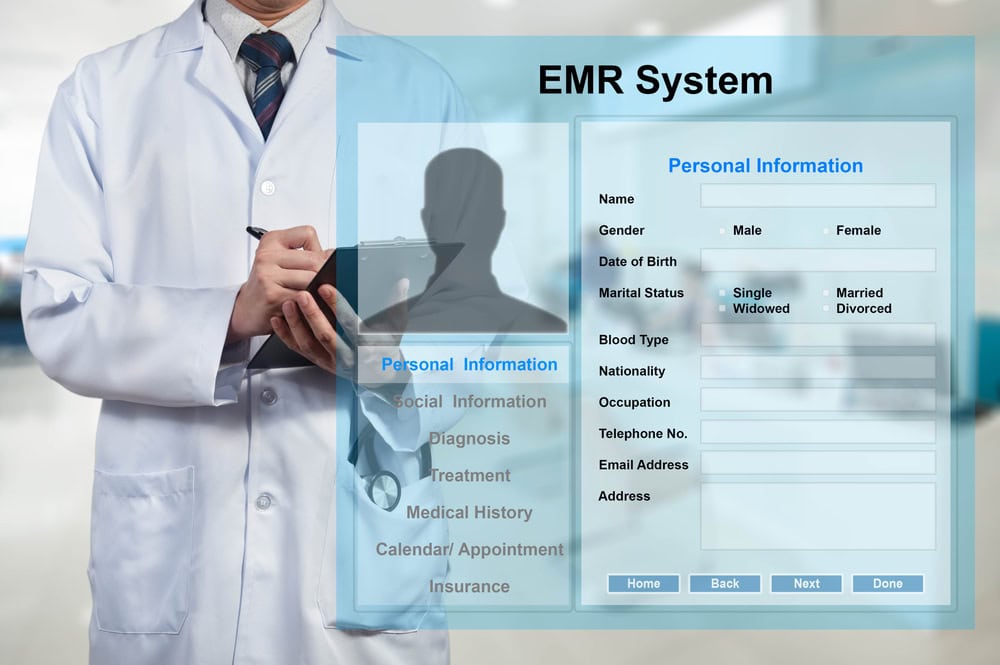
Seamless electronic medical record (EMR) integration is transforming healthcare delivery by enabling providers to access comprehensive patient data quickly and securely. This technological advancement not only enhances clinical decision-making but also streamlines workflows, reduces administrative burdens, and ultimately improves overall patient outcomes. When paired with vital support services such as medical answering solutions, EMR systems further optimize operational efficiency, foster better communication, and elevate the quality of care. Understanding the key benefits of EMR integration can help healthcare organizations unlock its full potential and stay competitive in a rapidly evolving industry.
EMR Integration Benefits for Healthcare Providers
Integrating EMRs with other critical healthcare platforms is revolutionizing how providers operate by improving data accuracy, facilitating interoperability, and enabling more personalized patient care. By connecting EMR systems to ancillary services like PatientCalls, healthcare organizations can ensure smooth workflows, enhanced communication channels, and superior patient experiences.
Discover how integrating electronic health records offers tangible advantages that directly address the daily hurdles faced by medical facilities.
1. Enhanced Patient Care
One of the primary advantages of EMR integration is the immediate access to current and complete patient health information. This access empowers clinicians to craft tailored treatment plans and make informed clinical decisions in real time. For instance, during a telehealth consultation, a physician can review a patient’s comprehensive medical history without delays, reducing the risk of misdiagnosis and medication errors.
In addition, integrating with resources like the mechanics of AI how it works within the healthcare industry allows providers to leverage artificial intelligence to identify patterns and predict potential health risks, further enhancing diagnostic accuracy and personalized care.
2. Increased Efficiency
Automation of routine administrative tasks is a significant benefit of EMR systems. By digitizing documentation and streamlining data entry, healthcare staff can devote more time to direct patient interactions. Nurses, for example, spend less time on charting and more time at the bedside, improving patient satisfaction and care quality.
Furthermore, integrating EMRs with scheduling and communication tools reduces no-shows and optimizes appointment management, leading to more efficient clinic operations. For insights on how to implement these technologies effectively, visit practical ways AI can be implemented in healthcare settings.
3. Improved Data Accessibility
Secure, remote access to patient records is vital for coordinated care, especially in today’s fast-paced healthcare landscape. Providers can access vital data from any location with an internet connection, facilitating timely interventions and informed decision-making. For example, a specialist consultant can review lab results or imaging reports instantly, regardless of geographic barriers, ensuring continuity of care.
This level of accessibility also supports healthcare organizations in evaluating and improving their service quality through data-driven insights, as discussed in the mechanics of AI how it works within the healthcare industry.
4. Better Interoperability
Seamless communication between different healthcare systems is crucial for reducing redundant testing and avoiding information gaps. EMR integration enables different providers to share vital patient information effortlessly. For example, a primary care physician’s recent lab results can be immediately available to specialists involved in a patient’s treatment, minimizing delays and unnecessary procedures.
Achieving this level of interoperability often involves adhering to industry standards like HL7 and FHIR, ensuring that all systems can communicate effectively.
5. Enhanced Patient Safety
EMR features such as medication interaction alerts, allergy warnings, and automated dosage checks are critical safety tools. These functionalities help prevent adverse drug reactions and other medical errors. For instance, pharmacists can verify potential drug interactions before dispensing medications, reducing hospital readmissions and enhancing patient safety.
By integrating safety protocols directly into the EMR system, healthcare providers can proactively mitigate risks associated with treatment.
6. Cost Savings
Implementing EMR systems leads to significant financial benefits over time. Automated billing, reduced paperwork, and elimination of duplicate tests contribute to lower operational costs. For example, automated data entry during patient visits ensures accurate billing codes, decreasing insurance claim rejections and speeding reimbursement processes.
Furthermore, reducing manual errors minimizes costly administrative corrections, making EMR integration a financially prudent investment.
7. Data-Driven Insights
Advanced analytics within EMR platforms enable healthcare providers to identify trends, monitor outcomes, and optimize resource allocation. By analyzing data such as readmission rates or patient demographics, organizations can develop targeted interventions. For instance, clinics can use this information to improve follow-up care, thereby reducing preventable hospitalizations.
Utilizing these insights supports continuous quality improvement and strategic planning.
8. Regulatory Compliance
Maintaining compliance with regulations like HIPAA is a fundamental aspect of EMR systems. Proper integration ensures accurate documentation and secure data storage, reducing the risk of violations and penalties. By adhering to industry standards, healthcare providers demonstrate their commitment to protecting patient privacy and maintaining trust.
Interesting:
Reliable EMR systems also simplify audits and reporting, ensuring ongoing compliance.
9. Improved Patient Engagement
Patient portals linked with EMRs empower individuals to take an active role in their healthcare. Patients can access their medical records, schedule appointments, and communicate directly with providers. This transparency fosters informed decision-making and encourages healthier behaviors.
Engaged patients tend to experience better health outcomes and higher satisfaction levels, making patient portals an essential component of modern EMR systems.
10. Streamlined Billing Processes
Integration of EMRs with billing and coding systems automates financial workflows, reducing errors and speeding up reimbursements. For example, automatic capture of billing codes during visits minimizes administrative delays and improves cash flow.
Efficient billing processes not only enhance revenue cycle management but also free up staff time for patient-centered activities.
How Does EMR Improve Patient Care?
The core advantage of EMR integration lies in its capacity to elevate patient care quality. By digitizing health records, providers gain instant access to comprehensive and accurate patient data, facilitating safer and more effective treatment. This real-time information reduces the likelihood of errors, such as incorrect medication prescriptions or missed allergies.
Moreover, EMRs promote better coordination among multidisciplinary teams, ensuring everyone has the latest updates. Integrating with advanced health technologies, like artificial intelligence, allows for predictive analytics that can identify at-risk populations and guide preventive strategies. For additional insights into how AI is reshaping healthcare, visit the mechanics of AI how it works within the healthcare industry.
Ultimately, these improvements lead to safer, more personalized, and more efficient patient care, resulting in better health outcomes.
Implementation Challenges for EMR Systems
Despite their numerous benefits, deploying EMR systems involves overcoming several obstacles. Recognizing and addressing these challenges is critical to ensuring successful implementation.
1. High Costs
The initial investment for EMR integration can be substantial, often reaching up to $30,000 per provider. Ongoing expenses such as maintenance, upgrades, and staff training add to the financial burden. Transition phases may also temporarily affect revenue if workflows are disrupted.
- Solution. Implement phased deployment, starting with essential features and expanding gradually. Explore government incentives like the HITECH Act and consider vendor financing options to manage costs effectively.
2. Workflow Disruption
Introducing new EMR systems can temporarily hinder established clinical routines, leading to decreased productivity—sometimes by as much as 20% during initial phases. Adjusting to new workflows demands time and patience.
- Solution. Conduct comprehensive staff training and workflow simulations before going live. Outsourcing the integration process to experienced providers like PatientCalls can facilitate smoother transitions and minimize disruptions.
3. Technical Issues
Interoperability remains a major hurdle. Different EMR platforms often use incompatible data standards, making seamless data exchange difficult.
- Solution. Choose vendors compliant with HL7 and FHIR standards, and consider middleware solutions that bridge incompatible systems for smooth information flow. Ensuring systems are scalable and customizable also supports long-term growth and adaptation.
4. Data Security and Privacy Concerns
Handling sensitive patient information requires rigorous security measures. Data breaches can have severe legal and reputational consequences.
- Solution. Adopt multi-layered security protocols, including encryption, two-factor authentication, and regular security audits. Staff training on cybersecurity best practices is essential for compliance and safety.
5. User-Related Challenges
Many healthcare professionals face a steep learning curve with new systems, which can affect efficiency and satisfaction.
- Solution. Provide ongoing, user-friendly training and support. Establish superuser teams to assist during the transition, and leverage automation tools like voice recognition to streamline documentation, allowing clinicians to focus more on patient interaction.
6. Data Quality and Consistency
Massive amounts of data can overwhelm providers, and inconsistent data entry can compromise record accuracy.
- Solution. Use advanced filtering, decision support tools, and customizable dashboards to highlight relevant information. Enforce standardized data entry protocols and implement validation features within the system to reduce errors.
Elevate Healthcare Delivery with EMR Integration and Support Services
Effective EMR integration, combined with reliable support services like those offered by PatientCalls, can transform healthcare operations. By enabling real-time access to patient data, reducing errors, and automating routine processes, organizations can deliver safer, more efficient care.
Partnering with experienced providers ensures that administrative tasks such as appointment scheduling, call handling, and patient inquiries are managed efficiently, freeing clinical staff to focus on what matters most—patient care. Integrating these solutions creates a cohesive environment where technology and support services work synergistically to improve patient satisfaction and organizational performance.
Discover how combining EMR systems with dedicated healthcare answering services can unlock new levels of operational excellence. Contact us today to learn more about enhancing your healthcare services and ensuring your organization remains responsive and patient-centered.